
Here are my thoughts on the top issues the Manhattan City Commission must address:
Keep a lid on the Mill Levy
- Prioritize maintenance and replacement projects over new improvements.
- Consider scaling back annual purchases of new vehicles and equipment.
- Manhattan’s tax base grows steadily each year through new construction and inflation in property values. To maintain this growth, we should avoid granting tax abatements for residential projects and approving RHID developments that suppress expansion and drive up the mill levy.
- Limited tax abatements for commercial projects may be warranted, but should be restricted—consider five years instead of ten. A viable project should be fully leased within five years and contributing its fair share in property taxes.

Street Maintenance & Stormwater Improvements
- Prioritize maintenance and replacement of streets over non-essential improvements.
- Support extending the sales tax designated for street replacement for another 10 years after the current tax sunsets.
- Continue upgrading stormwater systems in Manhattan’s low-lying areas to eliminate flooding risks during heavy rainfall.
- Oppose the proposed roundabout at 2323 Anderson Avenue (former Farm Bureau/KSU Foundation HQ) due to its high disruption and land acquisition costs.
- Oppose the proposed $10 million plan to fully replace cemetery roads; basic maintenance is sufficient, and a full rebuild would unnecessarily disrupt grave sites.
Aggieville Management
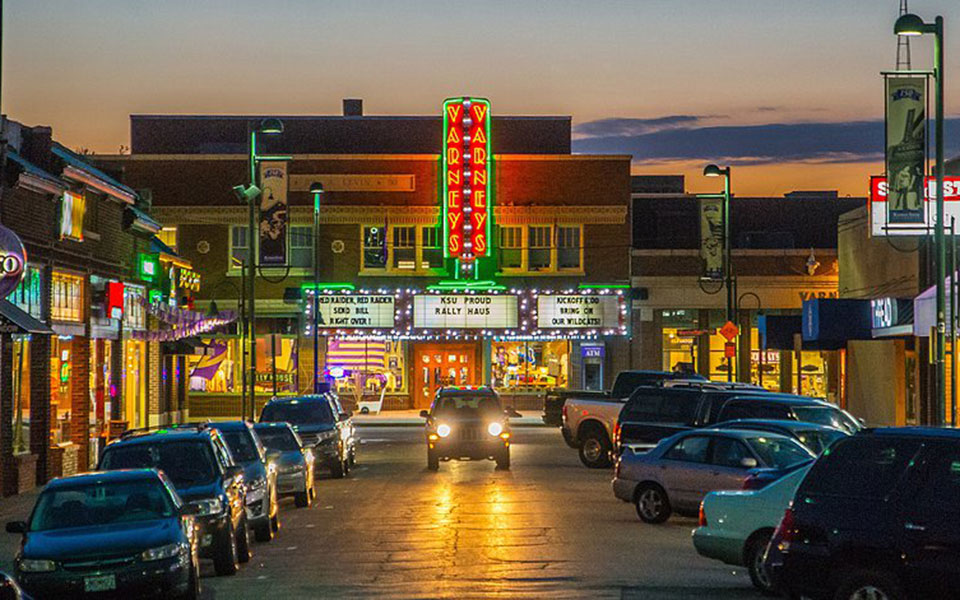
- Aggieville will require close attention due to past mismanagement. The city may face pressure to offer more tax abatements or fund additional improvements.
- The hotel developer must be held accountable—no more giveaways. If the hotel isn’t completed per the current agreement, the developer should pay $2.3 million for the land and we should move on.
- Be cautious of further concessions for the developer’s adjacent property on Laramie Street. The city has already granted $2.3 million in concessions.
- Oppose a second parking garage in Aggieville. The failure to build the planned $40M office building on Laramie negates the need for additional parking.
Workforce Housing
- Oppose the RHID program, which unfairly benefits select developers with long-term tax breaks and higher-than-normal profit margins. These homes aren’t guaranteed for workforce housing and may be purchased by retirees, second-home buyers, or investors.
- RHID programs suppress the growth of the tax base for 10-15 years, adding upward pressure to the mill levy during that time.
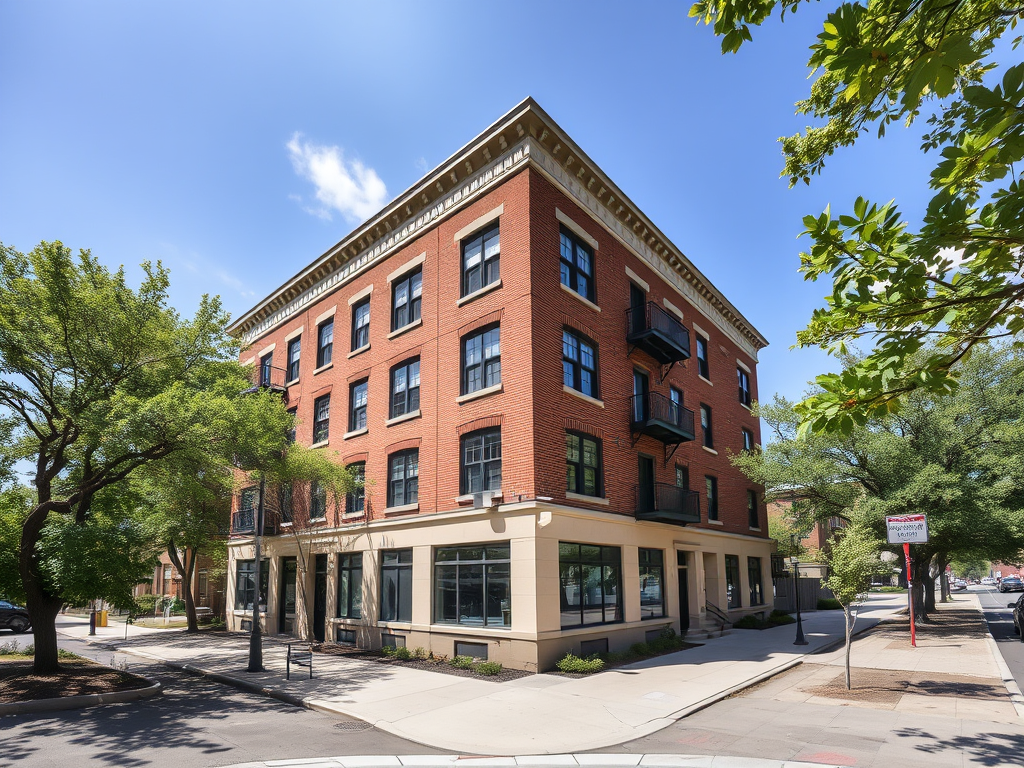
- Oppose spot zoning that replaces single-family homes with large multi-family units under the guise of workforce housing.
- While workforce housing is needed, the city’s physical constraints limit expansion. We should focus on maximizing limited land and supporting infill development and renovations of existing housing.
Quality of Life Features
- Support the proposed Aquatics/Recreation Center, but carefully evaluate its design, location, and funding model.
- Favor placing the facility in the northwest corner of CICO Park to enhance existing and planned sports amenities.
- Avoid including exercise facilities that would compete with private businesses and features that are expensive to build and operate and really aren’t needed, like lazy rivers, climbing walls and other types of water park features.
- Advocate for funding construction entirely through private donations. Similar models have successfully funded city and university projects like the City Park skating rink, Sunset Zoo’s Expedition Asia, and the Art & Light Museum.
- Maintenance could be supported by a combination of:
- An endowment raised alongside construction funds
- Transient guest tax revenue from hotels and VRBOs
- Modest support from the city, county, school district, and K-State
- Strongly support adequate funding for the Parks & Recreation Department to provide affordable access to recreational opportunities for all.
Commercial Development
- Manhattan’s growth is closely tied to K-State and the KSU Foundation’s efforts to bring in businesses that benefit from proximity to university research and offer student internships. These projects significantly boost the tax base.
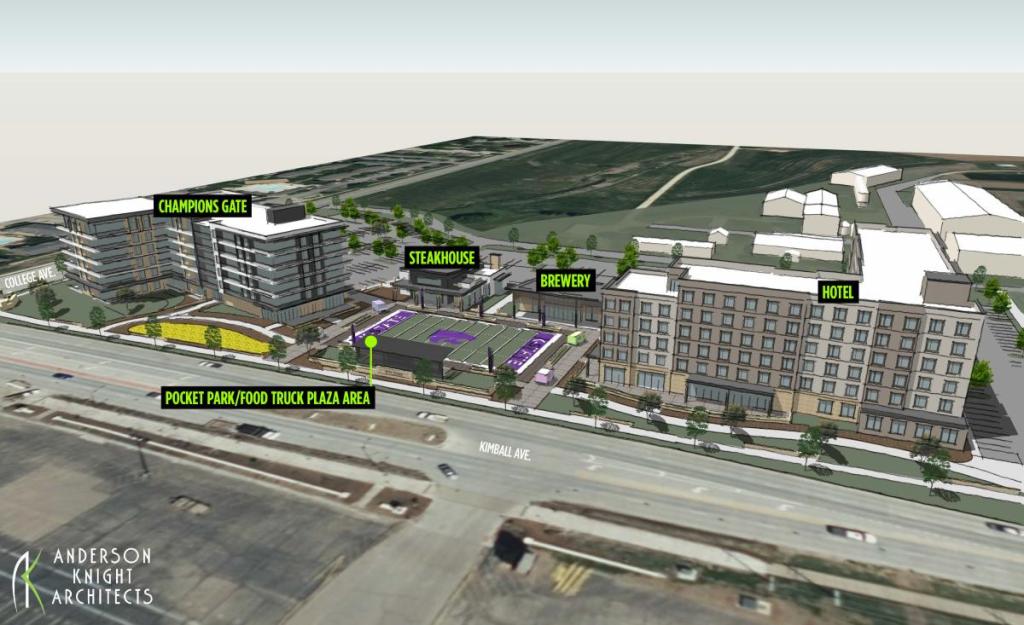
- The EDGE District along Kimball Avenue is poised for major development in the next 5–10 years. City and county leadership should embrace and support this momentum.
- New university facilities along Kimball Avenue will attract events and visitors, benefiting local tourism and university recruitment.
- Focus on revitalizing Aggieville into a thriving district for small businesses that support the nearby hotels, students, and local residents.
- To attract and retain commercial investment, we must be cognizant of the tax burden placed on commercial properties by the city, county and school district and work diligently to keep a lid on (if not lower) the mill levy for their benefit, as well as the residential property owners. The real estate tax burden placed on commercial properties is more than double that of residential properties of similar value.
I will always be open to listening to and considering opposing views, and will vote for what I feel is best for the City of Manhattan.
 Fox for MHK